

We'll cover
Top 10 Resume Keyword Tips to Make Your Resume Stand Out in 2026
Written by Palak Jain
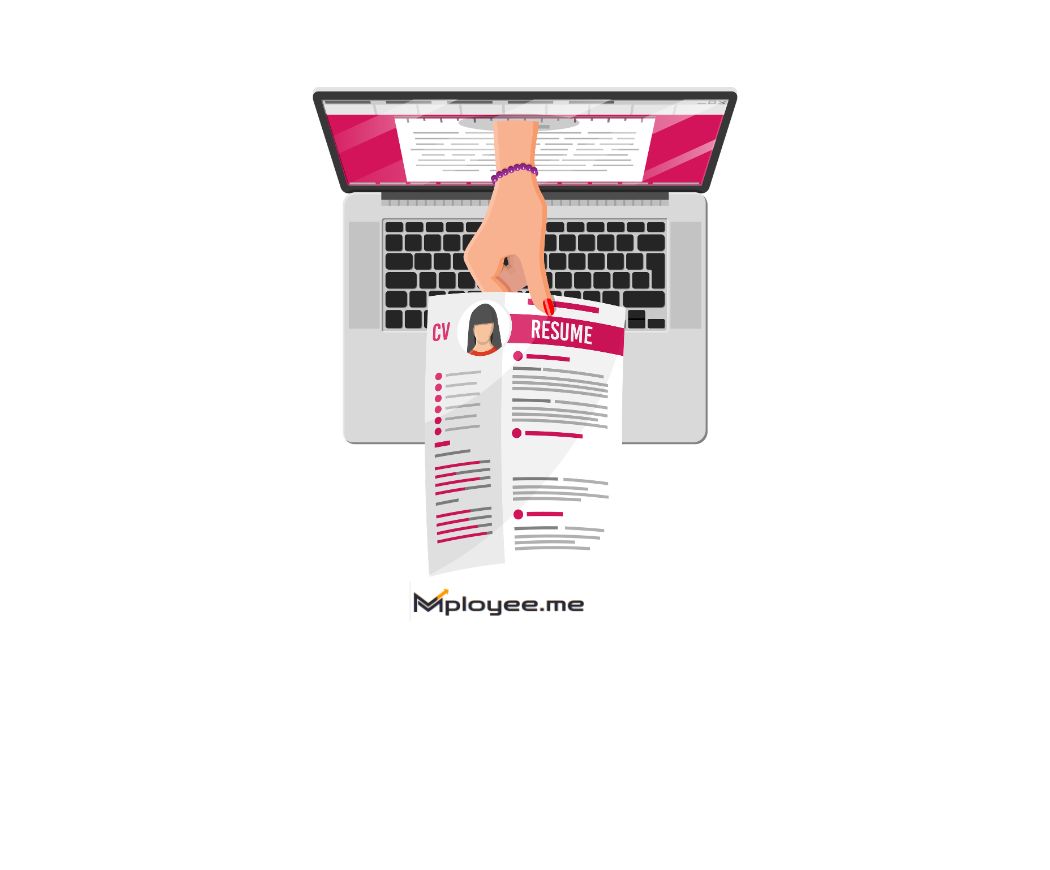
- Resume keywords help your resume match the job description and improve ATS visibility.
- The best keywords for ATS include hard skills, tools, certifications, job titles, and industry-specific terms.
- Use Resume Keywords naturally across your summary, skills, experience, projects, and certifications sections.
- Avoid keyword stuffing because repeated or forced keywords can make your resume look less credible.
- Use a resume keyword scanner to compare your resume with the job description and find missing cv keywords.
We'll cover:
Why Resume Keywords Matter
Resume keywords matter because hiring teams and applicant tracking systems use them to quickly identify relevant candidates. The right Resume Keywords, also called cv keywords, signal that your skills, experience, and role fit match the job description. Without them, even a strong resume can be overlooked before a recruiter reviews it.
How ATS Systems Read Keywords
ATS tools are often set up to look for specific keywords for ATS based on the job description. These keywords may include skills, tools, job titles, certifications, and industry terms. When the same keyword appears in both the job description and your resume, your profile is more likely to be seen as a strong match. If important keywords are missing, your resume may score lower or lag behind other applicants, even if you have relevant experience. Using a keywords finder can help identify the exact terms from the job description that should be added naturally to your resume.
Top 10 Resume Keyword Tips
Resume keywords help your resume match the job description, pass ATS screening, and show recruiters that you have the right skills for the role. The goal is to use Resume Keywords naturally across your resume while showing clear proof of your experience, tools, achievements, and role fit.
1. Use keywords directly from the job description
The job description is the best place to find resume keywords because it shows exactly what the employer wants. Look for repeated skills, tools, responsibilities, certifications, and job titles. When these terms match your real experience, use the same wording naturally in your resume.
- Identify repeated words and phrases in the job posting.
- Add relevant keywords to your summary, skills, and experience sections.
- Use the employer’s wording when it accurately reflects your background.
- Avoid adding keywords for skills you do not actually have.
We are looking for a motivated professional who can manage daily tasks, support team operations, prepare reports, communicate with clients, and improve work processes. The role requires strong coordination skills, attention to detail, basic data handling, and the ability to use common business tools to support better decision-making.
- Manage daily business operations by tracking tasks, following up with teams, and ensuring work is completed on time.
- Prepare reports and documentation for managers, internal teams, and business review meetings.
- Use MS Excel to maintain trackers, update records, organize data, and prepare basic analysis.
- Support client communication by responding to queries, sharing updates, and maintaining accurate follow-up records.
- Improve process efficiency by identifying delays, reducing manual work, and creating better tracking systems.
- Maintain workflow tracking to monitor task status, deadlines, ownership, and team progress.
- Coordinate with cross-functional teams including operations, sales, support, finance, and management teams.
2. Match exact industry-specific terms
Every industry uses specific terms to describe skills, tasks, and responsibilities. Using the right language helps your resume look relevant to both ATS systems and recruiters. Exact industry terms are often the strongest keywords for ATS because they clearly match the role’s requirements.
- Use standard industry terms instead of vague phrases.
- Match wording commonly used in job postings for your target role.
- Include role-specific keywords such as SEO, forecasting, compliance, or data analysis.
- Avoid replacing technical terms with general descriptions.
3. Focus on hard skills and technical skills
Hard skills and technical skills are often easier for ATS systems to scan and easier for recruiters to verify. These include tools, software, platforms, methods, and job-specific abilities. Adding them makes your resume more searchable and shows what you can actually do.
- Include tools, software, and platforms relevant to the role.
- Add technical skills such as Excel, SQL, Python, Salesforce, Tableau, or Figma.
- Prioritize job-specific skills over broad soft skills.
- Support technical skills with examples in your experience section.
| Hard Skill | How to Write It in Your Resume |
|---|---|
| MS Excel | Used MS Excel to maintain trackers, prepare weekly reports, and organize 500+ data records with 98% accuracy. |
| Data Entry and Data Management | Managed data entry and data management for 1,000+ records, reducing duplicate entries by 20%. |
| Reporting | Prepared monthly reports and performance summaries for 5 teams, helping managers track progress and delays. |
| CRM Tools | Used CRM tools to update 300+ customer records, track follow-ups, and improve lead response time by 25%. |
| Documentation | Created process documentation, SOPs, and meeting notes for 10+ workflows, reducing repeated queries by 30%. |
| Google Workspace / Microsoft Office | Worked with Google Sheets, MS Word, and PowerPoint to prepare 20+ reports, trackers, and presentations. |
| Basic Data Analysis | Performed basic data analysis on weekly performance data, identifying 15+ gaps and improving reporting clarity for managers. |
| Workflow Tracking | Maintained workflow tracking sheets for 120+ monthly tasks, improving deadline completion rate by 28%. |
4. Add keywords across multiple resume sections
Keywords should not appear only in the skills section. When you place them across your summary, work experience, projects, certifications, and education, your resume becomes stronger. This approach also works for cv keywords, especially when applying in regions where “CV” is used instead of “resume.”
- Add keywords to your professional summary.
- Use them naturally in work experience bullet points.
- Include relevant keywords in certifications, projects, and skills sections.
- Connect keywords with achievements, responsibilities, or outcomes.
| Resume Section | Recommended Keywords |
|---|---|
| Professional Summary | Add 2–5 important keywords related to your role, tools, job title, and strongest skills. |
| Work Experience | Use at least 4–5 keywords per role inside real work points, responsibilities, and achievements. |
| Skills Section | Add around 10–12 keywords, including hard skills, tools, software, platforms, and technical skills. |
| Projects | Avoid adding too many keywords. Use only the keywords that naturally match the project work. |
| Achievements | Avoid keyword stuffing. Focus more on results, numbers, awards, and measurable impact. |
5. Customize keywords for each job role
A generic resume may not include the exact keywords a specific employer is looking for. Each job posting may focus on different tools, responsibilities, or qualifications. Customizing your keywords helps your resume align closely with the role and improves your chances of being noticed.
- Review every job description before applying.
- Update your summary and skills section for each role.
- Adjust selected experience bullets with relevant keywords.
- Keep all changes honest and based on your real experience.
6. Include relevant tools and software names
Many employers search for candidates who already know specific tools or software. Adding these names helps your resume match the job description and shows practical readiness for the role. Tool-based keywords are especially important in technical, marketing, finance, design, and operations resumes.
- Mention tools listed in the job description if you have used them.
- Include platforms such as HubSpot, Jira, Power BI, QuickBooks, or Google Analytics.
- Place tool names in both the skills and experience sections.
- Do not list tools you cannot confidently use.
7. Use both acronyms and full forms
Some ATS systems may scan for acronyms, while others may look for full terms. Using both versions improves keyword coverage and makes your resume clearer. This is useful for technical, marketing, finance, healthcare, and IT resumes where abbreviations are common.
- Write the full form first, followed by the acronym in brackets.
- Use examples like Search Engine Optimization (SEO) or Customer Relationship Management (CRM).
- Use the acronym naturally after the first mention.
- Avoid overloading your resume with unnecessary abbreviations.
| Full Form | Acronym |
|---|---|
| Search Engine Optimization | SEO |
| Customer Relationship Management | CRM |
| Applicant Tracking System | ATS |
| Financial Planning and Analysis | FP&A |
| Key Performance Indicators | KPIs |
| Return on Investment | ROI |
| Pay Per Click | PPC |
| Software as a Service | SaaS |
| User Experience | UX |
| User Interface | UI |
| Application Programming Interface | API |
| Structured Query Language | SQL |
| Enterprise Resource Planning | ERP |
| Human Resource Management System | HRMS |
| Service Level Agreement | SLA |
8. Avoid keyword stuffing
Keyword stuffing happens when you repeat the same keywords too often or place them unnaturally. This can make your resume difficult to read and less credible. ATS optimization matters, but your resume still needs to sound professional and clear to human recruiters.
- Use keywords only where they fit naturally.
- Avoid repeating the same phrase in every section.
- Write clear sentences that show real experience.
- Focus on proving skills through achievements, not repetition.
9. Use a resume keyword scanner before applying
A resume keyword scanner can help you compare your resume with a job description before you submit an application. It can highlight missing skills, tools, and role-specific terms so you can improve your resume without guessing. This helps you add relevant keywords more strategically.
- Compare your resume against the job description.
- Identify missing keywords that match your actual experience.
- Add only relevant terms that improve role alignment.
- Use the scanner as a guide, not as a reason to overload your resume.
How to Find the Right Keywords for Your Resume
To find the right resume keywords, compare your resume with the job description and look for repeated skills, tools, job responsibilities, certifications, and industry terms. Common resume keywords can include role-specific skills, software names, technical tools, reporting tasks, project work, and measurable achievements. Add only the keywords that match your real experience in your Summary, Skills, Work Experience, Projects, and Certifications sections. Resume Keywords by Mployee.me can help you quickly identify missing keywords and improve your resume before applying.
Find Missing Resume Keywords10. Use action-oriented achievement statements
Keywords are stronger when they are part of achievement-based statements. Instead of only listing a skill, show how you used it and what result it created. This helps recruiters understand your impact while still giving ATS systems the keywords they need to identify your fit.
- Start bullets with action verbs like improved, managed, developed, or optimized.
- Combine keywords with responsibilities and results.
- Add numbers or measurable outcomes where possible.
- Replace vague duties with specific achievement statements.
Resume Keyword Examples
Resume keyword examples help you understand which terms to include based on your target role, industry, and job description. These keywords may include skills, tools, certifications, job titles, and responsibilities. Using a resume keyword scanner can also help you compare your resume with a job description and identify missing keywords before applying.
- Managed daily business operations across 6 departments, coordinating 120+ monthly tasks and improving workflow completion by 28%.
- Prepared reports and dashboards using MS Excel for 15+ weekly performance reports, helping managers track team output, delays, and process gaps.
- Improved process efficiency by 32% by creating structured trackers, reducing manual follow-ups, and cutting average task delay from 3 days to 1 day.
- Handled client support for 250+ monthly queries, improving response time by 35% and maintaining accurate records for service coordination.
- Created and maintained documentation, status trackers, and workflow reports for 20+ active projects, reducing reporting errors by 24%.
Common Keyword Mistakes
Resume keywords can improve your chances of passing ATS screening, but using them incorrectly can weaken your resume. The most common mistakes happen when candidates add too many keywords, use vague terms, copy job descriptions without context, or include skills they cannot clearly prove.
- Keyword stuffing: Repeating the same keywords too many times makes your resume look unnatural and difficult to read.
- Using irrelevant keywords: Adding skills or tools that do not match your actual experience can create trust issues during interviews.
- Ignoring the job description: Using generic resume keywords instead of role-specific terms may reduce your match with the employer’s requirements.
- Using only soft skills: Words like “hardworking” or “team player” are too broad unless supported by specific achievements.
- Forgetting exact terms: Changing important industry phrases too much can make your resume less likely to match ATS searches.
- Listing keywords without proof: A skills list is useful, but recruiters also want to see those keywords used in work experience or projects.
- Not updating keywords for each role: Sending the same resume everywhere can cause you to miss important keywords from individual job postings.
Key Takeaways
- Resume keywords help your resume match the job description and improve its chances of passing ATS screening.
- The best keywords come directly from the job description, including skills, tools, certifications, job titles, and role-specific responsibilities.
- Use exact industry-specific terms because ATS systems and recruiters often look for familiar, standardized wording.
- Hard skills, technical skills, tools, and software names are usually stronger keywords for ATS than broad soft skills.
- Place keywords naturally across your resume summary, skills section, work experience, certifications, and projects.
- Customize your resume keywords for each job role instead of sending the same generic resume everywhere.
- Use both acronyms and full forms, such as Search Engine Optimization (SEO), to improve keyword coverage.
- Avoid keyword stuffing because repeated or forced keywords can make your resume look unnatural and less credible.
- A resume keyword scanner can help identify missing keywords by comparing your resume with the job description.
- Resume keywords work best when they are connected to action-oriented achievement statements that prove your experience.
How do I use keywords in my resume?
Use resume keywords naturally in sections where they prove your skills, experience, and role fit. The best keywords come from the job description and should match your actual background. Avoid forcing keywords into your resume just for ATS matching.
- Add important keywords to your resume summary.
- Include role-specific skills in your skills section.
- Use keywords inside work experience bullet points.
- Match the wording from the job description when it is accurate.
Resume keywords work best when they are relevant, natural, and supported by real achievements.
What are the best resume keywords for ATS?
How do I find the right keywords for my resume?
Where should resume keywords be placed for ATS optimization?
Can keyword stuffing hurt your ATS resume score?
How many keywords should I include in a resume?
What are examples of resume keywords?

Got Your Answer ?
Learn this in 30 Seconds 👇

Career Blogs
Our career blog is your go-to resource for insightful advice, practical tips, and the latest trends in the job market.






Office Address: Room No 305, IIT ROPAR-TBIF, Top Floor (East Wing), M.Visvesvaraya, Rupnagar PB, 140001
- Free Online Resume Review
- Check Resume Score
- Job Description Keyword Finder
- Resume Shortlisting Software
- Resume Scanner for Jobs
- Find jobs that match with resume
- Job matching platform
- Resume job matching
- Job suggestion
- Best sites to find jobs
- Free ats resume scanner
- Auto apply for job
- Full Time Jobs
- I Need a Job
- Information Technology Jobs
Can't Find Something? Get in Touch.
©2026 Padhakku Peek A Book Pvt Ltd (Mployee.me)


