

We'll cover
101 Best Career Tips from Industry Experts
Written by Palak Jain

- Know yourself early to avoid wrong career choices later.
- Build habits and skills, do not just chase the job titles.
- Prepare well with resumes, profiles, and real experience.
- Apply smartly, network honestly, and follow up professionally.
- Keep learning, stay flexible, and grow patiently over time.
We'll cover:
Building the Right Career Mindset
Before applying for a job or choosing a career, it would be a good start if one's thoughts were in the right place. Having a healthy career mindset can mean having a sense of understanding of yourself, being a lifelong learner, not getting de-motivated. When one continues with his/her ambitions with confidence, it would be easy to have the best job suggestions.
- Understanding Your Strengths and Interests: Firstly, knowing what you like and natural skills can make career selection easier. Your strength may be in your thinking styles, communication skills, or problem-solving approaches. Consistency at work may become easy when your job relates to your interests.
- Setting Clear Career Goals Early: Clear goals in your career provide direction and meaning. Having small goals in life keeps you focused and avoids you from getting confused. Nothing is set in permanently regarding your personal and professional objectives.
- Learning the Value of Discipline and Consistency: Daily effort is better than occasional motivation all the time. Success is all combinations of small disciplines that benefit you in the long term. Discipline helps you stay committed even when results take time.
- Building Confidence Without Experience: It's preparation and learning-not experience-that breeds confidence. Everyone starts from the beginning. Believing that you can improve upon is oftentimes more valuable than what you already know.
- Creating Healthy Work Habits: It is easier to work effectively through good habits like punctuality, organization, and accountability to reduce stress and these habits make work easier. Over time, habits shape your professional image.
- The Balancing Ambition and Patience: Ambition drives you forward, but patience brings your expectations into reality. Things take time in career building. Maintaining a balance between expectation and progress. It will help you keep motivated without feeling frustrated.
By applying these career tips consistently, you can make smarter decisions, adapt to change, and build a fulfilling career with confidence over the long term.
Important Skills for the Modern Workforce
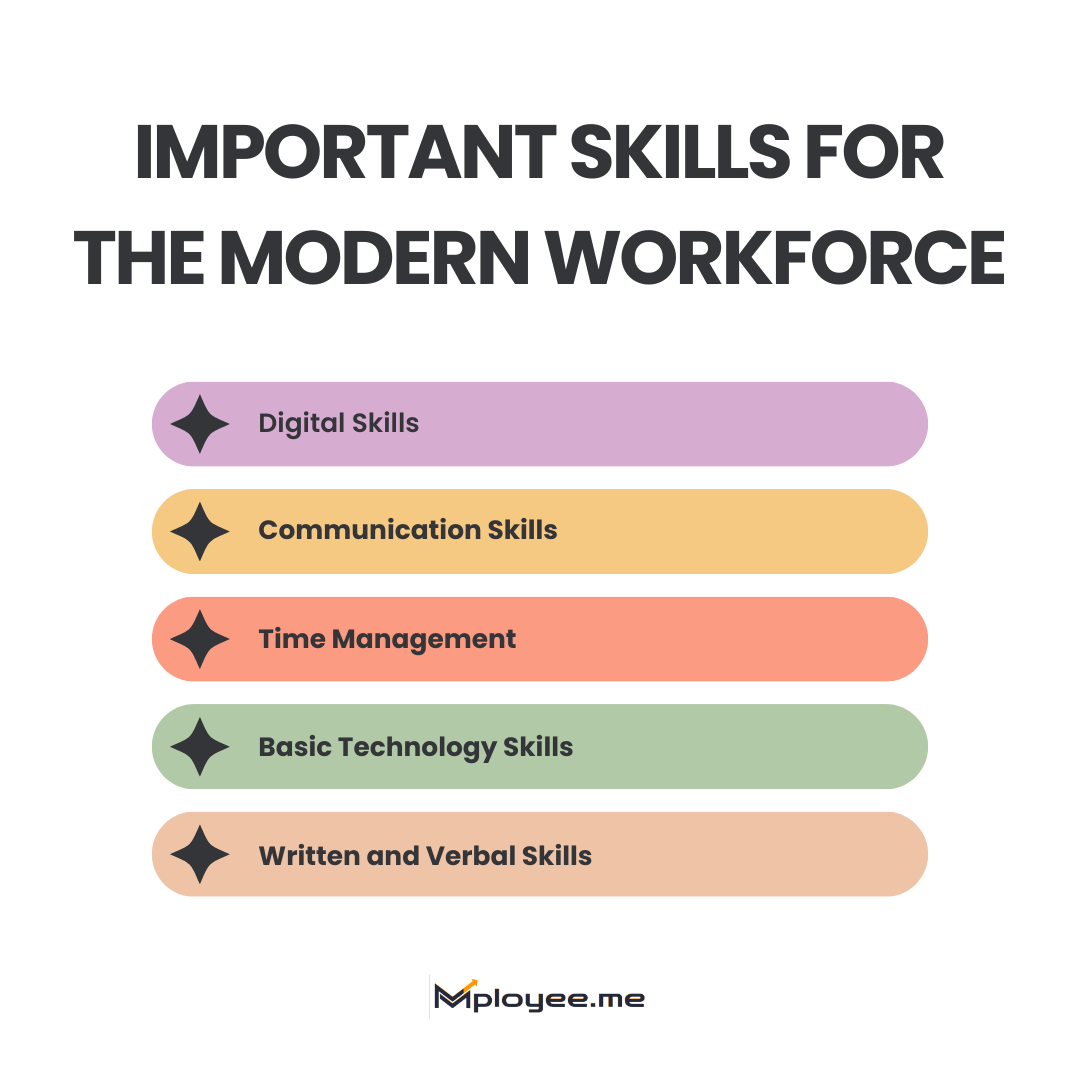
The current job market rewards adaptability, communication, and awareness of computers much more. Employers want only those people to adapt quickly and work well with others. Such qualities will ensure you remain relevant no matter what profession you choose.
- Why Digital Skills Are Now Basic Requirements: Basic tech skills are expected in almost every job today. Using emails, documents, and online AI tools is part of daily work culture. Comfort with technology it's compulsory.
- Communication Skills That Employers Expect: Clear communication helps teams avoid mistakes and increase efficient understandability. In organization Employers appreciate the ones who can listen, explain an idea in a simple way, and respond professionally.
- Time Management in a Fast-Paced Workplace: Handling multiple tasks is common skills at this time in work. Managing time well helps you meet deadlines without delay. Good planning improves performance and reliability.
- Working With Technology at Any Level: You don’t have to know it all when it comes to tech. Being open to graving new tools is what is most important during a work environment.
- Building Written and Verbal Skills: Clear writing and speaking clearly enhance your good image with others. From emails to meetings, communication affects professionalism and trust.
The work environment always presents scenarios and challenges raised without predictable. The employer wants employees on job matching platform who can think in a calm and composed manner and also find constructive solutions and apply without waiting for orders.
Exploring Career Options and Industries
Lack of research when selecting a profession leads to disappointment in the future. Knowing professions and sectors enables you to make the best choices. Being flexible means you can change along with opportunities.
- Career Exploration Before Committing: Learning about responsibilities and paths of growth prevents surprises. Research informs about jobs suitable to expectations and capabilities.
- Understanding Industry Trends and Demand: Some industries grow faster than others. Knowing where demand exists helps you build a more secure future.
- Choosing Skills Over Job Titles: New job titles emerge, but new skills are always valuable. Maintain a routing of studying new skills with a broad application range.
- When to Consider Non-Traditional Careers: Not all jobs are linear. Freelance work, creative endeavors, and startups might provide opportunities.
- Freelance, Contract, and Hybrid Work Options: Modern careers allow mixed work styles. Many people today work from home or office to meet their own objectives.
Discovery saves you time and pain.
Preparing for the Job Market
Preparation makes job searching a smoother and easier process to get a job. Once you understand the beatable expectations early, you feel more confident. A strong foundation start is the key to success.
- Understanding What Employers Really Look For: Employers give more value, reliability, attitude, and the desire to learn. Skill is important, but behavior and attitude are even more.
- Building a Strong Professional Profile: Your resume and online presence should clearly reflect your skills and goals. A consistent profile builds credibility.
- Gaining Experience Through Internships and Projects: Even small projects show effort and learning. Experience proves that you can apply knowledge practically.
- Learning Workplace Basics Before Your First Job: Knowing professional behavior helps you adapt quickly. It reduces mistakes and builds confidence early on.
Being prepared is an edge above others in job hunting.
Resume and Profile Optimization
The first impression may be made with your resume. Information should be clear and relevant. Optimization helps with passing screening from people and computers.
- Writing a Resume That Gets Noticed: An effective resume should be simple and achievement focused oriented. It highlights impact instead of listing duties.
- Matching Resume Keywords With Job Descriptions: Adding appropriate keywords from JD increases your chances of getting past filters. It ensures that you do not overstate your skills.
- Highlighting Skills With Real Examples: Giving examples brings credibility to your skills. Showing how you used a skill and how these skills can be applied than just naming it.
- Writing a Strong Resume Summary: A short summary, that summarization of yourself and helps recruiters quickly understand you, making it easy for the recruiter to understand your profile.
- Reducing Common Resume Mistakes: Maintaining arrangement and errors will impair the impact. Simplicity is the best.
- Update Your Resume Regularly: Your resume should reflect your growth. Updating it often keeps it accurate and ready.
- Optimizing LinkedIn and Online Profiles: An updated profile increases visibility and networking opportunities. It supports your resume digitally.
A great resume opens doors of job.
Smart Job Search Strategies
Effective job hunting isn't a matter of applying to every open position. It’s a matter of applying effectively. Targeted job hunting saves time, reduces stress levels, and results in a higher success rate. Many companies like job applicants to demonstrate their interest in their job postings.
- Applying Strategically Instead of Everywhere: Target roles that truly match your skills and interests. Fewer, well-prepared applications work better than many random ones.
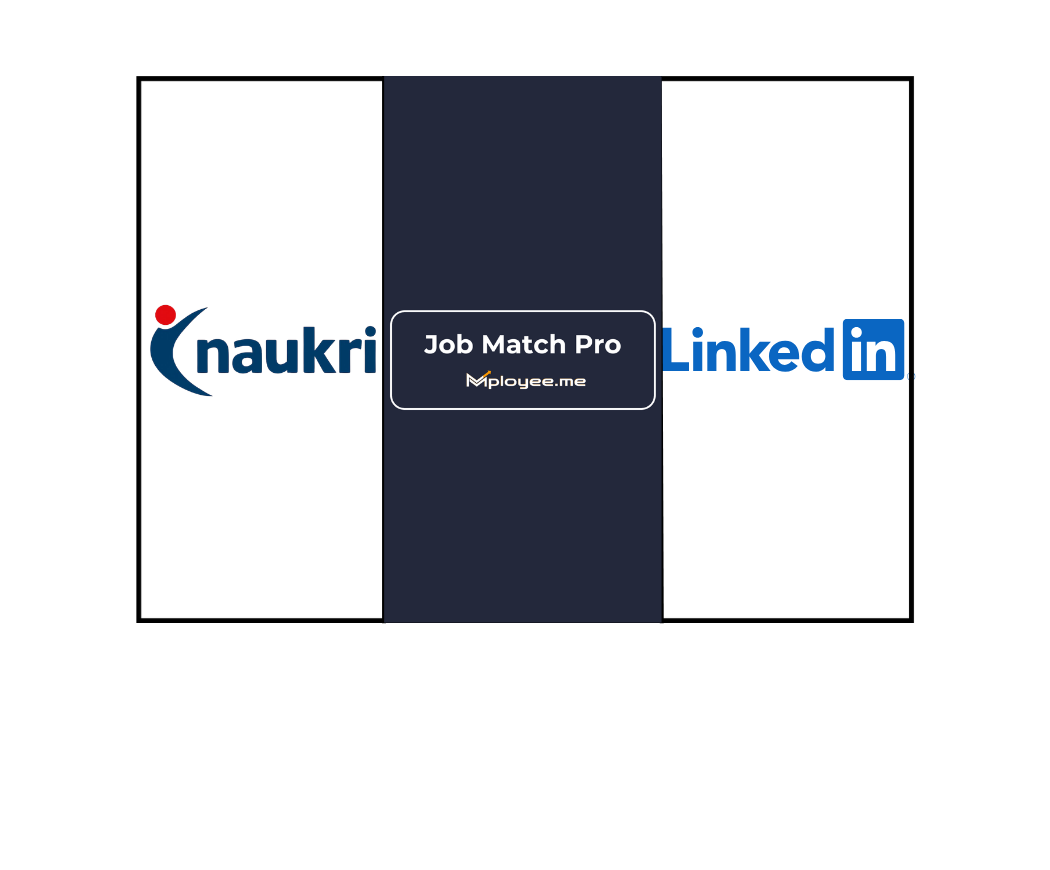
- Using Job Portals Effectively: Job search portals work best with filters, alerts, and regular updates. Applying early improves your chances of getting highlighted. The best option for job search is Job Match Pro. This tool will help you advance your career by matching jobs to your resume. You don't have to browse through job search sites in India anymore; its algorithm is designed to easily find the most relevant jobs from three major job portals in India: Naukri, LinkedIn, and Foundit.
- The Power of Referrals in Job Search: Referrals build trust and visibility between candidate and employer. Strong professional relationships often open doors faster than cold applications.
- Networking Without Feeling Awkward: Networking is important and it means having conversations, not promoting yourself. Being interested and polite leads to lasting relationships.
- Following Up Professionally After Applications: It demonstrates interest and professionalism when done in a polite manner. It keeps you visible without appearing pushy.
Here’s how to use Job Match Pro:
Step 1: Upload Your Resume

Step 2: Choose Preferences

Step 3: Add Skills and Keywords

Step 4: Go Through The List of Jobs

Interview Preparation and Performance
Interviews allow employers to understand your other ability beyond your resume. Good preparation is crucial in helping you feel motivated and calm.
- Researching the Company Before Interviews: Understanding the company values, standard and work helps you to answer confidently. It also indicates a level of interest.
- Preparing Answers With Real Examples: You need to give examples. These make your replies credible and easy to remember. They show how you handle any real situations.
- Communicating Clearly or Confidently: Speaking calmly and truthfully helps to establish trust between any person. Speaking clearly shows your professionalism standard.
- Responding to Hard and Unexpected Questions: Taking a moment to think is okay. Thoughtful answers show maturity and clarity.
- Asking the Right Questions at the End: Finally, perfect questions show your curiosity and interest. They leave a positive final impression.
Although you might be answering the same questions, direct and honest replies are better than practice ones. Interviews don’t seem like interrogations.
Choosing the Right Job Offer
Taking a job is a step that gives shape to your career. The right offer should support both your professional growth and personal improvement. Looking beyond just the salary helps you avoid any type of regret in future.
- Evaluating Salary Beyond the Numbers: Benefits, learning, and growth opportunities matter. Salary alone doesn’t define job satisfaction.
- Understanding Work Culture and Expectations: A healthy culture supports productivity and learning. The office environment plays a big role in long-term success.
- Negotiating Job Offers Professionally: Negotiation shows confidence and preparation ability. Clear communication shows discussions respectful.
- Knowing When to Say Yes or No: You say 'yes' always is not right. Being self-aware helps you make long decisions.
If your personal and professional aspirations align with the new workplace matters more than short-term gains.
Excelling in Your First 90 Days at Work
The first 90 days in your first job at a new place are important in determining your success. When you put effort, curiosity, and reliability early it helps to create an impression. Paying attention to how things work and asking the right questions from you helps at entry level. Strong first impressions make you credible in your formal career.
- Making First Impression: Being punctually, attentive, and showing deference builds early confidence. Small actions matter greatly.
- Understanding Your Role Quickly: Clarifying responsibilities without any confusion. It helps you assist a person in prioritizing.
- Building Relationships With Teammates: Good relationships make duty easier and more enjoyable. Team support improves performance.
- Managing Feedback and Expectations: Feedback helps growth when accepted positively. Listening shows maturity and openness.
- Learning Company Tools and Processes: Early learning reduces mistakes and stress. Assists in working more fast.
Employers give more value of accountability.
Growing and Advancing in Your Career
Career development will never happen automatically. There needs to be proper planning and dedication in this area. Learning new things on a constant basis to remain relevant and confident in your respective field. A positive impact can be created through continuous development and improvement processes.
- Setting Career Growth Milestones: Milestones help measure progress clearly. They help to keep you focused with motivation.
- Learning New Skills on the Job: Workplace learning keeps you more competitive. New skills increase career flexibility.
- Taking Initiative and Ownership: Going beyond assigned tasks builds trust. Initiative leads to recognition.
- Developing Leadership Skills Early: Leadership starts with all responsibility and communication. It’s not limited to titles.
- Tracking Your Achievements: Recording progress helps during reviews and promotions. It shows measurable impact.
Expressing interest opens doors. Growth often starts with asking.
Handling Career Challenges
Every career has its own difficulties, pressure, and some drawbacks that don’t go as expected or planned. This is a way to handle such situations and overcome them to be able to grow both personally and professionally. Difficult moments are important because, through such incidents, some important lessons could be learned, and the right direction could be obtained.
- Managing Work Stress and Pressure: Healthy habits help manage stress. Work-Life balance improves performance and focus.
- Dealing With Career Plateaus: Plateaus are indicators of need for learning or change. They are opportunities in standard.
- Handling Work Place Conflicts Professionally: Respectful communication prevents problems. Calm responses build credibility.
- Learning From Mistakes and Failures: Mistakes become lessons when analyzing that. Growth derived from experience.
- Work-Life Balance: Maintaining your mental and physical health. It helps long-term success.
Rest is not weakness, it’s necessary. Recovery improves productivity.
Career Transitions and Future Planning
Career trajectories are rarely straight or predictable in today’s job market. Effective career planning helps to minimize uncertainty in decisions involving a transition or a change in employment. Flexibility is a key quality in navigating a transition in a confident, clear, and effective manner. Planning for the future is a decisive asset in a shifting environment for a career.
- Known When It’s Time to Move On: No growth or motivation signals to reassessment. Awareness translates to better decisions.
- Planning a Career Switch Carefully: Research and preparation increase risk management. Ideal transitions work best.
- Reskilling for Future Job Roles: New skills protect employability. Learning from your competitive person.
- Keeping Up with a Shifting Job Market: It will always pay to be able to adapt to developments. Change is constant.
Advanced roles require people skills and strategy. Early preparation helps.
Long-Term Career Success Habits
Success in one's career over a long period of time results from years of focused effort on solid, value-based personal principles. It is the daily things you do that determine your professional reputation over a period of time. Future thinking promotes better decisions and allows for perfect growth.
- Building Professional Relationships: Relationships make trust and opportunities. They grow over time.
- Maintaining Integrity and Ethics: Ethics define credibility. Trust is a major long-term asset.
- Staying Curious and Open to Learning: Curiosity lets your career evolve. Learning fuels innovation.
- Managing Career Growth Over Time: Balanced ambition prevents burnout. Stable growth matters.
True success aligns with your objectives or goal. Comparisons distract from purpose.
Key Takeaways
This blog is a source of not only expert but also practical backing when it comes to career advice that leads you to make smarter decisions throughout your professional journey.
- It is self-awareness, confidence, and continuous learning that are the building blocks of a strong career mindset.
- The long-term habit formation along with proper goal setting is more important than the short-term motivation.
- In the present day digital, communication, and time-management abilities are the must-have skills in the workforce.
- By researching industries and focusing on transferable skills one can very easily avoid career regrets.
- The full-proof preparation, internships, and relevant projects are the sources of confidence before one enters the job market.
- ATS-friendly resumes and well-optimized online profiles are the ways to improve their visibility.
- Strategically job searching, networking, and referrals are the ways to increase success rates.
- Long-term growth is primarily reliant on the virtues of adaptability, ethics, and lifelong learning.
If you keep applying these takeaways, then slowly but surely you can build a resilient and future-ready career, which is also equipped with clarity and confidence.
What are 10 tips for success in a career?
The success of a career is based on identifying your strengths and interests right away. Make your goals clearer and divide them into little steps. Discipline yourself and be consistent even if the days are difficult. New skills should always be acquired. Get rid of bad habits and adopt good work habits such as organizing and being on time. Establish effective ways to communicate with others. Accept criticism and learn from it. Do thorough research on different industries to know which one is for you. Develop patience for your professional growth. Most importantly, be prepared for change and maintain a positive attitude.
Is 27 too late to start a career?
What are the 7 steps in the career process?
What are the 5 points for career guidance?
What are the 7 C’s of career guidance?

Got Your Answer ?
Learn this in 30 Seconds 👇

Career Blogs
Our career blog is your go-to resource for insightful advice, practical tips, and the latest trends in the job market.






Office Address: Room No 305, IIT ROPAR-TBIF, Top Floor (East Wing), M.Visvesvaraya, Rupnagar PB, 140001
- Free Online Resume Review
- Check Resume Score
- Job Description Keyword Finder
- Resume Shortlisting Software
- Resume Scanner for Jobs
- Find jobs that match with resume
- Job matching platform
- Resume job matching
- Job suggestion
- Best sites to find jobs
- Free ats resume scanner
- Auto apply for job
- Full Time Jobs
- I Need a Job
- Information Technology Jobs
Can't Find Something? Get in Touch.
©2026 Padhakku Peek A Book Pvt Ltd (Mployee.me)


