

We'll cover
How to Become a Data Analyst in 2026
Written by Palak Jain

- Learn Excel, SQL, and one basic data analysis programming tool.
- Practice data cleaning, simple analysis, and creating clear visual charts.
- Build 3 to 5 beginner data analyst projects using real datasets.
- Create a simple, clear resume focused on skills and projects.
- Apply consistently using Job Match Pro and keep improving skills through regular practice.
We'll cover:
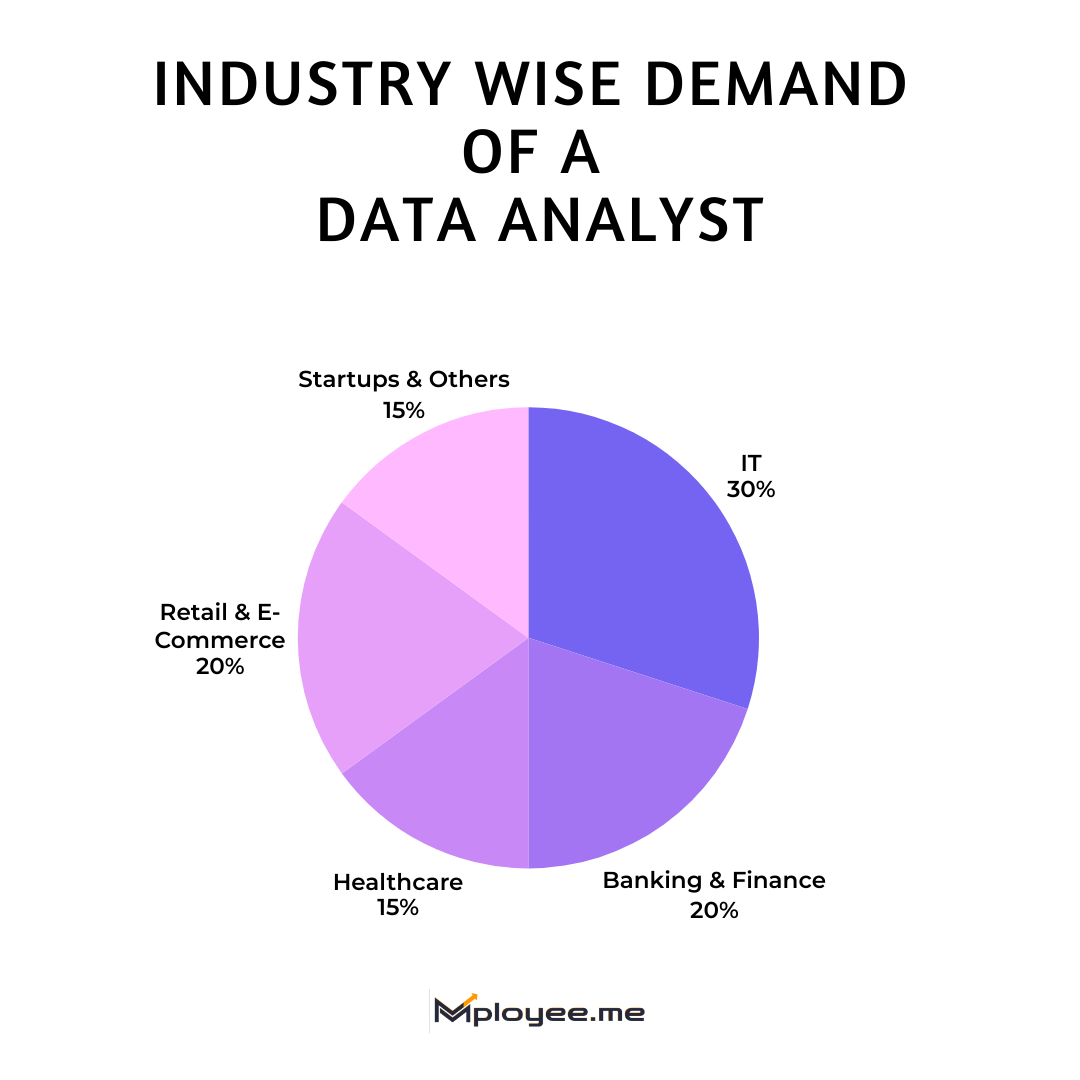
Industry Wise Demand of a Data Analyst
Companies require professionals who possess skills to analyze and interpret numerical data because data volumes are increasing at a rapid pace. The present job market for data analysts has created a rising demand with high data analyst salary.
- IT Industry Growth: The IT sector needs data analyst trainees who learn to handle user experience analysis from their work assignments.
- Banking And Finance Demand: Daily operations of data analysts require employees who can assess consumer expenditure habits through their work and responsibilities.
- Healthcare Sector Need: Data analyst professionals with advanced capabilities enable hospitals to monitor patient patterns and enhance their service delivery.
- Retail And E-Commerce Rise: Online retailers follow established data analysis standards to research customer purchasing behavior and product performance.
- Startup Market Expansion: New companies offer a growing data analyst career path because they depend on numbers to make smart decisions.
Data analysis has become an essential requirement for multiple industries which strive to achieve rapid progress. Becoming a data analyst creates multiple access points for various professional fields.
How to Become a Data Analyst in 2026?
People search “how to become a data analyst” because the job market is currently experiencing quick growth. The defined data analyst career path enables beginners to progress through their learning process without experiencing any difficulties.
Step 1: Learn Basic And Advanced Data Analyst Skills
Start your learning process by using Excel, SQL, R/Python, Tableau, PowerBI, ETL Process, ProcessSAS, SPSS, Hadoop, and Matplotlib. Use these tools during your daily tasks to develop understanding about actual data analyst job functions. The process of learning these tools enabling you to handle actual data analyst work duties will help you achieve professional development throughout your data analyst profession.
Step 2: Build Practice Projects And Follow The Data Analyst Career Path
Create basic projects that reflect actual data analyst job functions which include report creation and data presentation. Daily practice should be your goal because it will help you develop stronger data analysis abilities. Small real-life examples help you understand how to become a data analyst step by step.
Step 3: Apply For Internships And Entry Roles
Begin your career journey through entry-level positions which provide firsthand experience of actual data analyst responsibilities in organisations. Your initial positions will assist you in grasping the authentic data analyst career trajectory while enhancing your everyday work abilities as a data analyst. Your data analyst salary will increase with your growing experience while you develop self-assurance.
The learning process becomes straightforward through sequential steps which create an understandable path. People who practice consistently while they learn data analysis skills will develop their abilities with greater certainty.
Average Data Analyst Salary in India (2026)
Data analyst salary figures serve as a primary research tool for learners who want to become data analysts. Pay levels also help people understand the growth in a data analyst career path.
Data Analyst Salary & Career Growth in India
| Level | Experience | Average Data Analyst Salary | What Affects Salary | Career Growth Note |
|---|---|---|---|---|
| Fresher | 0–1 Year | ₹3L – ₹6L per year | Basic data analyst skills and simple data analyst job requirements | First step in the data analyst career path while learning roles and responsibilities |
| Junior | 1–3 Years | ₹5L – ₹8L per year | Better data analyst skills and real work exposure | Helps understand daily responsibilities and grow faster |
| Mid-Level | 3–5 Years | ₹6L – ₹12L per year | Handling real projects and job requirements | Strong progress in the data analyst career path |
| Senior | 5–8 Years | ₹12L – ₹20L per year | Advanced roles, responsibilities, and leadership | Higher salary with more responsibility |
| Lead / Manager | 8+ Years | ₹18L+ per year | Team handling and strong analytical skills | Top level with the highest data analyst salary |
How To Find A Data Analyst Job?
The structured approach helps you conduct your job search with less stress, since it provides you with specific goals.
Step 1: Understand the Data Analyst Role Clearly
The first step requires you to learn about the job responsibilities that companies assign to data analysts. The required skills for this job include Excel, SQL, Python, data visualization, and problem-solving, according to the job descriptions. This method will assist you in developing expertise to achieve your objectives instead of choosing random abilities.
Step 2: Build and Optimize Your Resume
Create a resume that shows your relevant work experience through projects, internships, certifications, and technical abilities. Your resume needs to include actual data analyst job description keywords, which help it move past ATS screening. Maintain simplicity throughout your document while delivering clear information about your achievements.
Step 3: Use Smart Job Matching Tools
The Job Match Pro tool enables you to compare your resume with available positions instead of searching through multiple websites daily. This resume job matching tool assists you in finding jobs that match your qualifications while preventing you from spending time on jobs that do not suit you.
Step 4: Apply Based on Match Score
You should verify your profile match with the job requirements before you submit your application. Your chances of being shortlisted increase when your match score exceeds 60 percent. The process of improving your resume requires you to include essential skills and keywords before you submit your application for roles with low match requirements.
Step 5: Improve and Track Your Applications
You should monitor your application progress after submission, while using feedback and keyword research to enhance your resume. The practice of updating your resume throughout the year will enhance your chances of obtaining interviews while advancing your data analyst progression.
The combination of proper preparation and intelligent tools enables you to discover appropriate data analyst positions in a more rapid and effective way.
Step 1: Upload Your Resume

Step 2: Choose Preferences

Step 3: Add Skills and Keywords

Step 4: Go Through The List of Jobs

Latest Jobs
Entry-level data analyst positions now exist in many organizations which seek to hire professionals who are developing their data analysis skills. The data analyst position provides you with practical knowledge of actual data analyst work while supporting your professional development as a data analyst.
Data Analyst Resume Templates
Have a look at the ATS-friendly resume templates with best data analyst skills:
Motivated entry-level data analyst with strong academic background and hands-on project experience. Skilled in Excel, SQL, Tableau, PowerBI, Python, SPSS, and basic ETL tasks. Passionate about turning raw data into clear reports that help teams make better decisions.
- Collected raw sales data and cleaned it using Excel.
- Created visual dashboards using Tableau and PowerBI.
- Prepared Matplotlib charts showing monthly performance.
- Presented insights that improved sample marketing strategy.
- Analyzed survey data using SPSS and Python.
- Used SQL queries to filter customer purchase trends.
- Prepared final reports explaining key patterns.
- Assisted in preparing weekly business reports.
- Worked with Excel dashboards and basic ETL tasks.
- Supported senior analysts with data cleaning.
- Excel
- SQL
- Python
- R Basics
- Tableau
- PowerBI
- Matplotlib
- SPSS
- ETL Basics
- Data Cleaning
- Reporting
- Charts & Graphs
- Data Analysis Certification – Coursera 2024
- Excel For Data Analysis – Udemy 2023
- SQL Beginner Certification – Great Learning 2023
Results-driven data analyst with 7+ years of experience working with large datasets and creating business dashboards. Skilled in SQL, Python, R, Hadoop, Tableau, PowerBI, ProcessSAS, SPSS, and ETL workflows. Strong history of improving reporting accuracy and supporting business decisions.
- Designed company-wide dashboards using Tableau and PowerBI.
- Handled big data sets using Hadoop and ETL pipelines.
- Improved report automation reducing manual work by 40%.
- Prepared monthly executive reports using SQL and Python.
- Created daily and weekly business reports using Excel.
- Analyzed marketing performance using SPSS and ProcessSAS.
- Built Matplotlib charts to show campaign growth.
- Worked with business teams to understand reporting needs.
- Cleaned raw data and prepared datasets for senior analysts.
- Performed SQL queries to generate operational reports.
- Supported dashboard creation using PowerBI.
- SQL
- Python
- R
- Excel
- Tableau
- PowerBI
- Hadoop
- Matplotlib
- ETL
- ProcessSAS
- SPSS
- Dashboard Reporting
- Google Data Analytics Certification 2024
- Advanced SQL Certification 2023
- Tableau Professional Certification 2022
Key Takeaways
The learning path to achieve data analyst skills in 2026 requires students to follow structured methods for their studies.
- The learning process for data analyst skills requires students to start with basic knowledge and progress to advanced expertise.
- Students will learn about the actual responsibilities that data analysts perform when they work on assigned projects.
- The data analyst career path enables professionals to start at entry level and advance their skills until they achieve expert status.
- Before applying for jobs, data analysts must understand the typical requirements that employers expect from candidates.
- Practice Excel, SQL, Tableau, and Power BI tools through regular exercises.
- Your resume needs to display actual work experience together with real-world job samples.
- Use job matching platforms to find job opportunities that match their skills at a high level.
- Track industry trends while learning about the typical salary increases which data analysts receive over their careers.
Daily practice needs to continue because it produces daily small progress that leads to successful career development.
What are the requirements to become a data analyst?
To become a data analyst you need basic computer skills and numerical competence and pattern recognition ability. Professionals need to understand Excel and be open to learning new software applications. Your career progress accelerates when you combine curiosity with organization skills and the ability to present concepts in understandable terms.
Is AI replacing data analysts?
How do I start a career in data analysis?
Can a data analyst earn 1 crore?
What are the top 3 skills for a data analyst?

Got Your Answer ?
Learn this in 30 Seconds 👇

Career Blogs
Our career blog is your go-to resource for insightful advice, practical tips, and the latest trends in the job market.








Office Address: Room No 305, IIT ROPAR-TBIF, Top Floor (East Wing), M.Visvesvaraya, Rupnagar PB, 140001
- Free Online Resume Review
- Check Resume Score
- Job Description Keyword Finder
- Resume Shortlisting Software
- Resume Scanner for Jobs
- Find jobs that match with resume
- Job matching platform
- Resume job matching
- Job suggestion
- Best sites to find jobs
- Free ats resume scanner
- Auto apply for job
- Full Time Jobs
- I Need a Job
- Information Technology Jobs
Can't Find Something? Get in Touch.
©2026 Padhakku Peek A Book Pvt Ltd (Mployee.me)


