

We'll cover
Follow up Email After Interview - 5 Best Templates
Written by Palak Jain
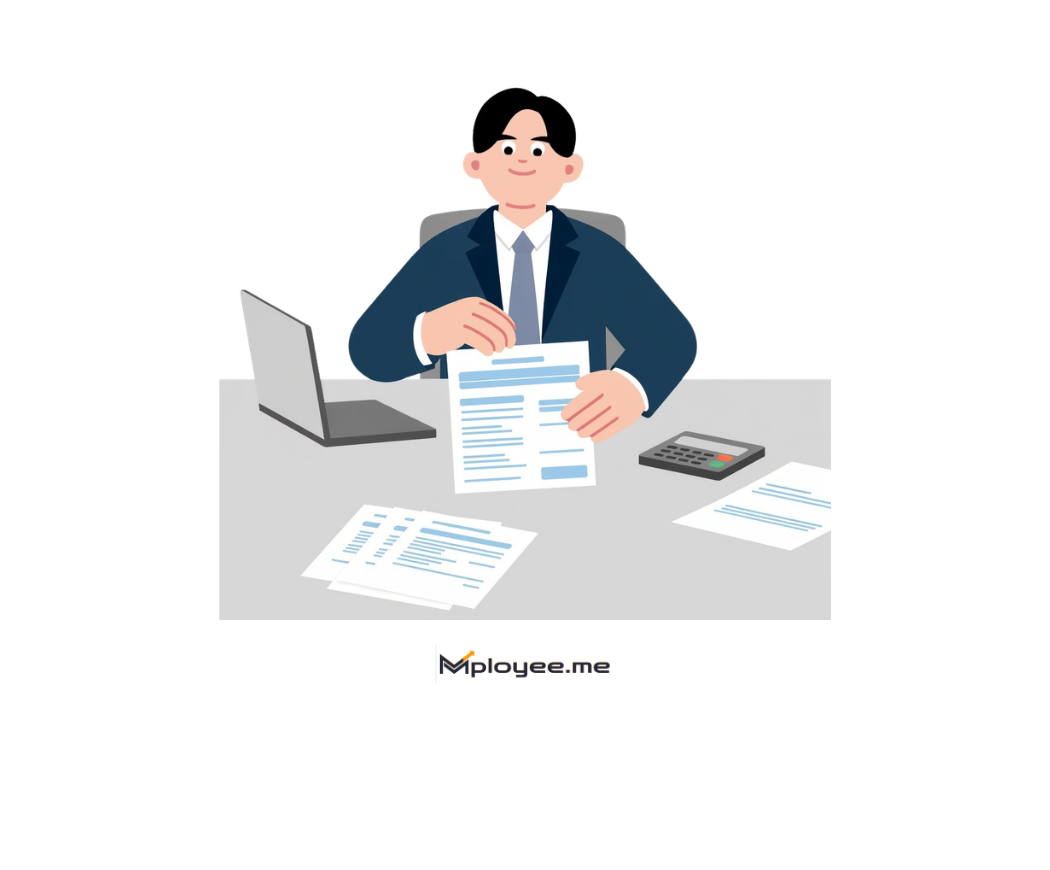
- A follow-up email after an interview is a short message sent to thank the interviewer.
- It shows that you are professional, interested, and serious about the role.
- Send your follow-up email within 24–48 hours after the interview.
- Keep it short, polite, and mention the job title or one point from the interview.
- Use a clear subject line, thank-you note, value reminder, and contact details.
We'll cover:
What is a Follow-Up Email After An Interview?
A follow-up email after an interview refers to the email you are required to send to your interviewer once you attend the interview. It serves as a way of thanking the interviewer for spending his time to consider you for the job, reminding him about your intention to take up the opportunity to work at the organization, and finally enquiring what will happen next.
You do not need to make it complicated. In fact, a simple email containing a sincere expression of thanks, the name of the job you applied for and one unique thing mentioned by the interviewer during your discussion should suffice.
This unique thing could be anything from the team goals to what is expected of you as an employee to projects being undertaken at the firm at the moment. Such an email will enable the recruiting officer to recall you despite having interviewed several other candidates for the position.
However, your follow-up email should not sound pushy or desperate. Keep it short, respectful, and easy to reply to. The goal is not to force a response, but to leave a positive impression after the interview.
How To Write A Follow-Up Email?
To write a follow-up email after an interview, keep it short, polite, and clear. Start with a simple subject line, thank the interviewer, remind them why you are a good fit, and end with your contact details.
When writing a follow-up email, use job description keywords from the job role and interview. Mention the position name, key skills, or one discussed point to make the email feel personal and clear.
1. Choose the Right Subject Line
The subject line is one of the most important parts of a follow-up email because it is the first thing the hiring manager notices. It should quickly tell them what your email is about.
Keep your subject line clear, short, and professional. Avoid using vague lines like “Hello” or “Update” because they do not explain the purpose of your message. A better subject line includes the job title, your name, or a simple thank-you note.
You can also personalize the subject line by adding the interviewer’s name or the interview date. This makes your email easier to recognize, especially if the recruiter is handling many candidates at the same time.
Examples:
Thank You for Your Time, (Interviewer’s Name)
Follow-Up for (Job Title) Interview
Thank You for the Opportunity
Questions About (Job Title) Role
It Was Great Speaking With You
(Your Name) – (Job Title) Interview Follow-Up
Follow-Up Regarding (Position Title)
(Your Name), (Job Title) Interview, (Date)
A strong subject line does not need to be creative. It simply needs to be clear enough for the recruiter to understand your message before opening the email.
2. Open With a Greeting
Start your follow-up email with a polite and professional greeting. Using the interviewer’s name makes the email feel more personal and respectful.
You can use greetings like Dear Mr./Ms. (Last Name), Dear (First Name), or Good morning (Name), depending on how formal the interview was. If you are not sure about the interviewer’s name, you can use a general greeting like Dear Hiring Manager.
Examples:
Dear Mr. (Last Name),
Dear Ms. (Last Name),
Dear (Interviewer’s Name),
Good morning (Interviewer’s Name),
Greetings Madam,
Dear Hiring Manager
A clear greeting helps you start the email on the right note and shows that you are professional in your communication.
3. Say Thank You to the Interviewer
Start the main part of your email by thanking the interviewer for their time. Also mention the job title you interviewed for so they can quickly remember your conversation.
If possible, add the interview date, location, or one specific point you discussed. This makes your follow-up email feel more personal and less like a copied message.
Keep this part short and natural. You do not need to over-explain. A simple thank-you with a small detail is enough.
Example:
Thank you for speaking with me about the Senior Content Writer role. It was a pleasure learning more about the position and the team. I truly appreciate the time you took to discuss the opportunity with me.
4. Remind Them of the Value You Can Bring
Use the follow-up email to briefly remind the hiring manager why you are a good fit for the role. You can mention one or two skills, experiences, or strengths that were discussed during the interview.
Keep your tone confident but humble. The goal is not to repeat your full resume, but to show how your experience can help the company or team.
Example:
After our conversation, I strongly believe my seven years of content writing and proofreading experience make me a good fit for the Senior Content Writer role. I can help create clear, useful, and audience-focused content that supports the company’s goals.
5. Add Your Signature and Contact Information
End your follow-up email with a polite closing and your contact details. This makes it easy for the hiring manager to reach you if they want to share an update or ask for more information.
Use a simple and professional closing such as Thank you, Best regards, Sincerely, or Best. After that, add your full name, phone number, and email address. You can also include your LinkedIn profile if it is updated and relevant.
Example:
Thank you,
Saanvi Jain
8740641289
saanvi.jain@bbmail.com
5 Most Effective Email Follow-Up Templates
A follow-up email should be short, polite, and easy to understand. You can use these templates after your interview and edit them based on your situation.
Subject: Thank You for the Interview – (Job Title), (Interview Date)
Dear (Interviewer’s Name),
Thank you for taking the time to speak with me on (Interview Date) about the (Job Title) role at (Company Name). I enjoyed learning more about the position, the team, and the kind of work expected in this role.
After our conversation, I feel even more interested in this opportunity. I believe my experience in (mention skill/area) can help me contribute well to the team.
Thank you again for your time. I look forward to hearing about the next steps.
Best regards,
(Your Name)
Subject: Following Up on (Job Title) Interview – (Your Name)
Dear (Interviewer’s Name),
I hope you are doing well. I wanted to follow up on my interview for the (Job Title) position, which took place on (Interview Date).
I am still very interested in the role and wanted to check if there are any updates regarding the hiring process.
Thank you for your time and consideration.
Best regards,
(Your Name)
Subject: Thank You for the Final Interview – (Job Title)
Dear (Interviewer’s Name),
Thank you for meeting with me on (Interview Date) for the final interview for the (Job Title) role at (Company Name). I appreciate the time you took to explain the role, team expectations, and next steps.
I am excited about the possibility of joining (Company Name) and contributing to (mention team/project/goal discussed).
Please let me know if you need any more information from my side.
Best regards,
(Your Name)
Subject: Additional Information After (Job Title) Interview
Dear (Interviewer’s Name),
Thank you again for speaking with me on (Interview Date) about the (Job Title) role. After our conversation, I wanted to share one more point that may be useful.
In my previous role as (Your Current/Previous Position), I worked on (mention project or achievement), which is closely related to what we discussed during the interview.
I hope this gives you more context about my experience. Thank you again for your time.
Best regards,
(Your Name)
Subject: Checking In Regarding (Job Title) Role – (Your Name)
Dear (Interviewer’s Name),
I hope you are doing well. I wanted to politely check in regarding the (Job Title) position I interviewed for on (Interview Date).
I remain interested in the opportunity and would be grateful for any update you can share about the next steps.
Thank you again for your time.
Best regards,
(Your Name)
These templates are simple and professional. Before sending, always add the interviewer’s name, job title, company name, and one personal detail from your interview.
Tips to Follow Up After an Interview
There are some key things that will help you to make sure your follow-up email after interview is found entertaining on a positive note:
- Right Timing: Your followed up email should be sent within at least 24-48 hours post the interview for a full time job or part-time job. It would most likely reflect you as proactive rather than being too pushy.
- Referencing to Email: Reference to something important in the interview-a mutual interest or certain project mentioned-these personal details will help in remembering you by the interviewer.
- Keep it to the Point: After the interview follow up email should be brief and right to the point. Lengthy emails will not be read by the interviewer.
- Proofreading: Always check your email for grammar or spelling mistakes. It reflects on how you pay attention to details through a professional email.
- Appreciation: Always thank the interviewer for their time, no matter what the final result is. A simple thank-you shows professionalism, respect, and good communication.
Common Mistakes and How to Avoid Them in Follow Up Email
Sending a follow-up email after a job interview is important, but few can avoid committing common mistakes in such emails. Here is an enumeration of the common mistakes together with ways to avoid.
- Being Too Pushy: Following up too much could be quite disheartening, and so just send one follow-up. More than that may seem desperate or very aggressive.
- Personalize the Email: Include something personal from the interview, a mutual interest or a project that was discussed, or something else. With the personal touch, the interviewer will remember your name more easily.
- Be Brief: An email should be short, simple, and to the point after the interview. An interviewer may not have time for a long message so avoid writing a lengthy email and be concise.
- Proofread Always: Keep double-checking the grammar and the spelling in the email that you have written. A professional email carries the tone of your attention.
- Very Casual Tone: A formal email template should always be written in a very professional manner. Avoid any overly casual language or use of emojis.
- Not At All Reiterating Interest: If your follow-up email expresses disinterest in the position, this is not a good thing.
How Many Follow-Ups to Send?
In most cases, sending two follow-up emails is enough. The first email should be a thank-you message after the interview. The second email can be a polite reminder if you do not receive any update.
- Send out the first follow-up email within 24 hours : The initial follow-up email must be sent within a day of the interview. All that needs to be done is to thank the recruiter for his time and mention the position along with mentioning that one learned a lot about the job opportunity.
- Wait some time before sending the second follow-up : In case you have not received any response yet, wait for about 5-7 working days to send the second email follow-up. This will allow the recruitment panel to discuss and decide on candidates.
- Do not send out too many emails: Sending too many follow-up emails might give the wrong impression. You might seem eager to get selected, even if you simply wish to know the status of your application.
- Apply to other positions: In case you still have not received a response even after sending two follow-ups, it is advisable to apply for other jobs. You can use job searching websites in India or apps such as Job Match Pro.
A good rule is simple: send one thank-you email, send one reminder if needed, and then move forward professionally.
Why Send a Follow-Up Email After an Interview?
Send a follow-up email after an interview since such an action proves that you are a professional, grateful person who really wants to work in the company. A follow-up email will help you stand out among other candidates after the interview.
A follow-up email after an interview is one of the best job search strategies to show that you are serious about your job, thankful for the opportunity, and still interested in the role. It helps you stay in the recruiter’s mind and leaves a professional impression after the interview.
- It shows that you are a professional: Even a simple thank-you email is enough to show your appreciation for the recruiter's time. It also implies that you know how to communicate and are respectful towards the company and the interviewer.
- It reminds about you: The thing is that recruiters interview several candidates for one vacancy. Therefore, a simple follow-up letter will help you remind yourself and your conversation.
- It proves that you are really interested in the position: When several candidates apply for the same vacancy, it is sometimes challenging for recruiters to decide whom to hire. With a follow-up letter, you can show that you are still interested in the position.
- It provides an opportunity to give added value: You can mention one moment from your conversation or point to some skills.
In short, a follow-up email is a small but useful step after an interview. It will not guarantee the job, but it can help you leave a positive and professional impression.
Key Takeaways
- A follow-up email after an interview helps you thank the interviewer and stay visible.
- Send your first follow-up email within 24–48 hours after the interview.
- Keep the email short, polite, and professional.
- Always mention the job title, interview date, or one point discussed in the interview.
- Use a clear subject line so the recruiter understands the email quickly.
- Avoid sending too many follow-ups; one thank-you email and one reminder are usually enough.
- Proofread your email before sending to avoid spelling or grammar mistakes.
What is a short and sweet follow-up email after an interview?
A short and sweet follow-up email is a simple message where you thank the interviewer, show interest in the role, and ask about the next steps politely. It should be clear, professional, and easy to read.
- Thank the interviewer for their time.
- Mention the job title you interviewed for.
- Keep the tone polite and positive.
A good follow-up email does not need to be long. A few clear lines are enough to leave a professional impression.
How do I send a follow-up email after an interview?
What should I write in an interview follow-up email?
Can I send a follow-up email after an interview if I already sent a thank-you email?
How long should a follow-up email after an interview be?

Got Your Answer ?
Learn this in 30 Seconds 👇

Career Blogs
Our career blog is your go-to resource for insightful advice, practical tips, and the latest trends in the job market.






Office Address: Room No 305, IIT ROPAR-TBIF, Top Floor (East Wing), M.Visvesvaraya, Rupnagar PB, 140001
- Free Online Resume Review
- Check Resume Score
- Job Description Keyword Finder
- Resume Shortlisting Software
- Resume Scanner for Jobs
- Find jobs that match with resume
- Job matching platform
- Resume job matching
- Job suggestion
- Best sites to find jobs
- Free ats resume scanner
- Auto apply for job
- Full Time Jobs
- I Need a Job
- Information Technology Jobs
Can't Find Something? Get in Touch.
©2026 Padhakku Peek A Book Pvt Ltd (Mployee.me)


